A Warehouse Changes As Stock Moves
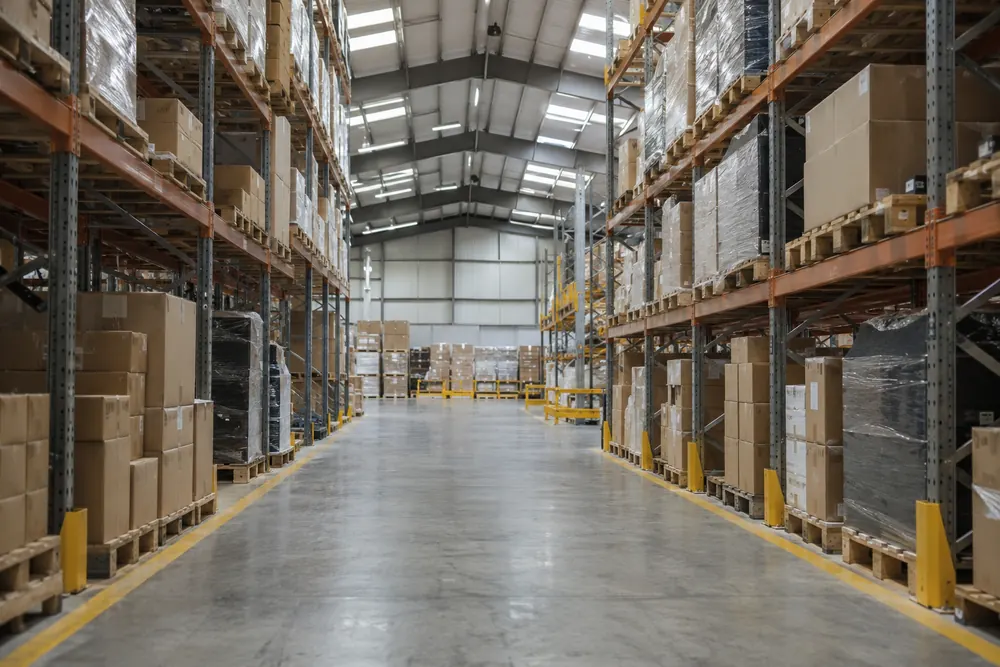
A warehouse fire risk assessment needs to reflect an active operation, rather than an empty floor plan. Pallet positions, packing stations and seasonal stock can change the amount of combustible material and the routes people use to leave the building.
We consider the interaction between the storage layout, ignition sources and the people working nearby. A pedestrian exit route that looks clear during a quiet period may be obstructed during loading or replenishment.
Attached offices, mezzanines, welfare rooms and external yards should be considered within the agreed scope. A fire in a charging area or waste compound can affect the main operation even where the first ignition occurs outside the racked storage aisles.
Charging, Packaging And Work Activities
Tell us how handling equipment is powered and where batteries are charged. Battery type, charging instructions, ventilation and separation from combustible stock may all matter, so a generic reference to a charging point is not enough information for the assessment.
Other matters can include shrink-wrapping, machinery, maintenance work, heating equipment and contractor hot work. Where dangerous substances or specialist processes are involved, the assessment should identify the need for competent specialist input rather than stretch a routine inspection beyond its scope.
The Scottish Legal Context
The Fire (Scotland) Act 2005, Part 3 and the Fire Safety (Scotland) Regulations 2006 apply to relevant warehouse premises in Scotland. The assessment needs to consider people at risk and the fire precautions required for their safety, including staff and contractors unfamiliar with the layout.
Where a landlord controls shared yards, alarm equipment or a common access route, agree how information will be exchanged. A lease boundary does not by itself explain whether an external door can be used safely during an evacuation.
How We Examine The Operation
We start with the storage arrangements, maximum occupied periods, shifts and any known changes in the goods handled. Existing plans and the previous action plan help identify where the operation has moved on since the last assessment.
During the visit, we follow accessible escape routes, consider warning arrangements and look at how housekeeping and waste handling work in practice. Plant, racking layouts and restricted areas are reviewed within the inspection limits agreed beforehand.
The resulting report should distinguish everyday management improvements from issues that require specialist design, testing or remedial work. Any uninspected void, inaccessible high-level feature or unavailable record needs to remain visible as a limitation.
Life Safety And Property Protection
A fire risk assessment addresses risks to people. Insurers or business continuity plans may set further requirements for protecting stock, plant and the ability to keep trading after a fire.
If sprinklers, smoke control or engineered fire precautions form part of the existing strategy, supply the supporting information and maintenance records. Do not assume that visible equipment is operational or that the assessment replaces a specialist inspection of those systems.
If the storage height, commodity type or layout is changing, discuss the change with the relevant system specialist and insurer as well as reviewing the life-safety assessment. This is especially useful before purchasing new racking or taking on a different customer’s stock.
Cost Factors And Visit Preparation
The size and height of the building, number of separate areas, operational complexity and availability of records influence the quotation. Restricted access, induction requirements and the need to inspect during a representative shift can also affect the scope.
Provide a layout, a description of stored goods, the previous report and any relevant system records. Arrange an escort who understands both warehouse operations and the local emergency procedures, and explain how visitors can move through the building safely.
Part Of Your Wider Fire Safety Plan
This service supports your wider fire risk assessment Glasgow requirements. If the work identifies a concern outside the agreed scope, the report should make the next step clear.
You can also explore fire door inspection or check our Glasgow and nearby coverage before sending an enquiry.
Common Questions
Does A Stock Change Need A Review?
A warehouse stock change can require a fire risk assessment review if it alters the hazards, storage arrangements or existing precautions. Consider the type of goods, packaging, storage height and any effect on escape routes. Where protection systems have a defined design basis, involve the relevant specialist before changing the operation.
Is A Sprinkler Service Included?
A sprinkler service is not included in a routine warehouse fire risk assessment. The assessor may review available records and consider how the system relates to the premises, but servicing and performance verification need the appropriate specialist. Missing records or doubts about a system should be identified for follow-up in the action plan.
How Do You Assess Night Shifts?
Night-shift fire risk assessment arrangements should reflect reduced staffing, supervision and support rather than relying on the daytime plan. Explain who is present, how they receive an alarm and who coordinates evacuation. Access restrictions and locked yard gates also need consideration where the warehouse operates outside normal reception or security hours.